Portraits
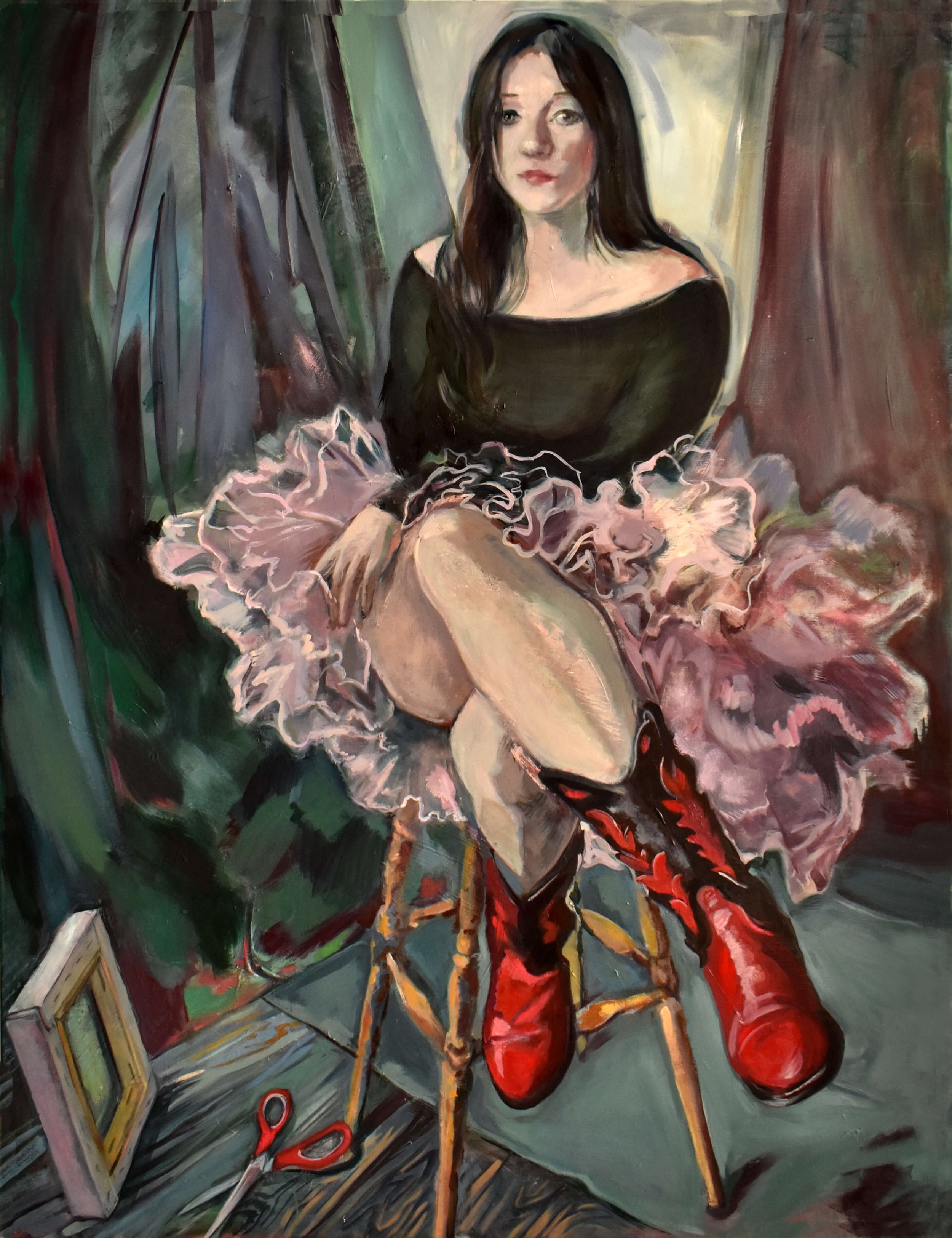
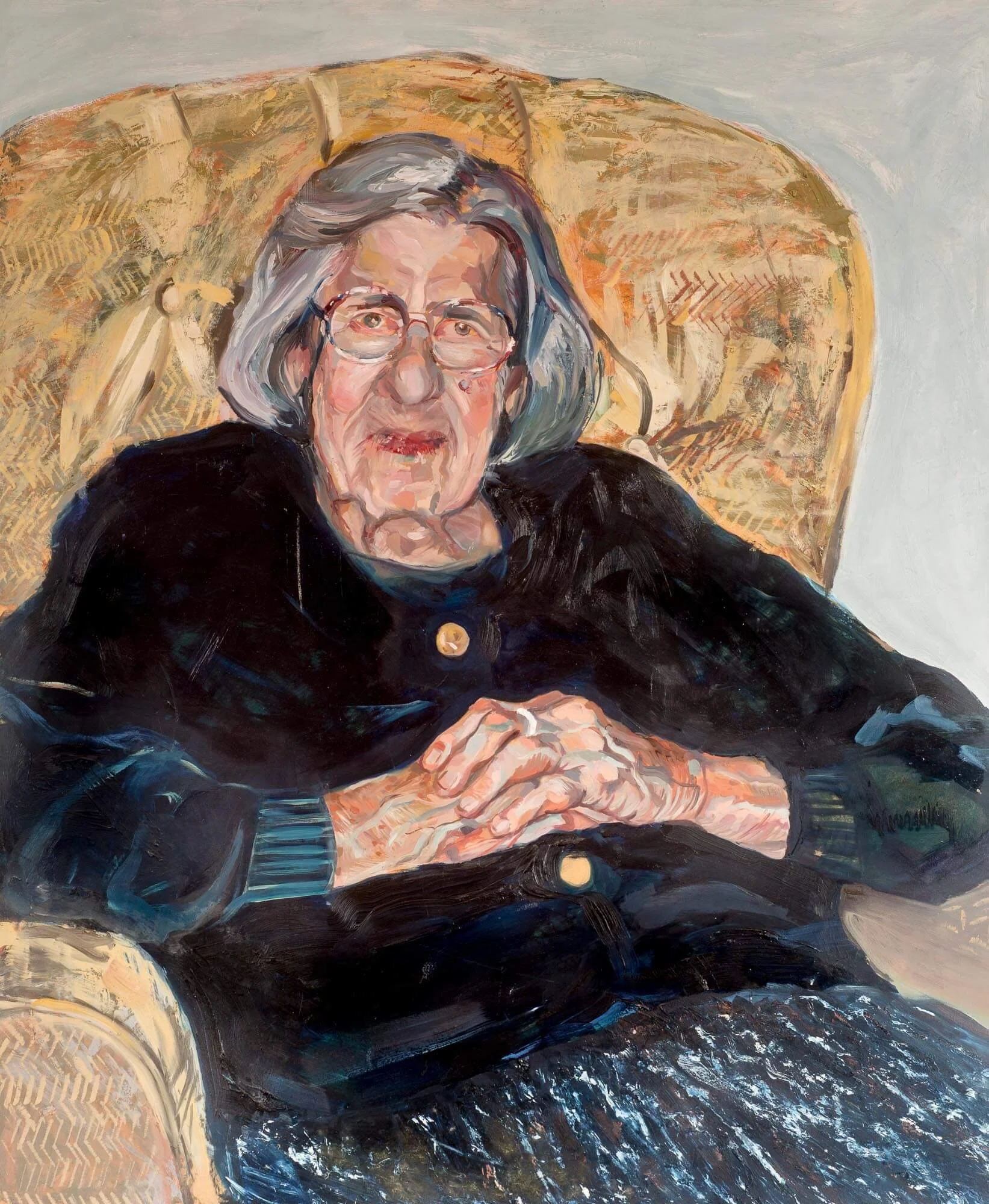
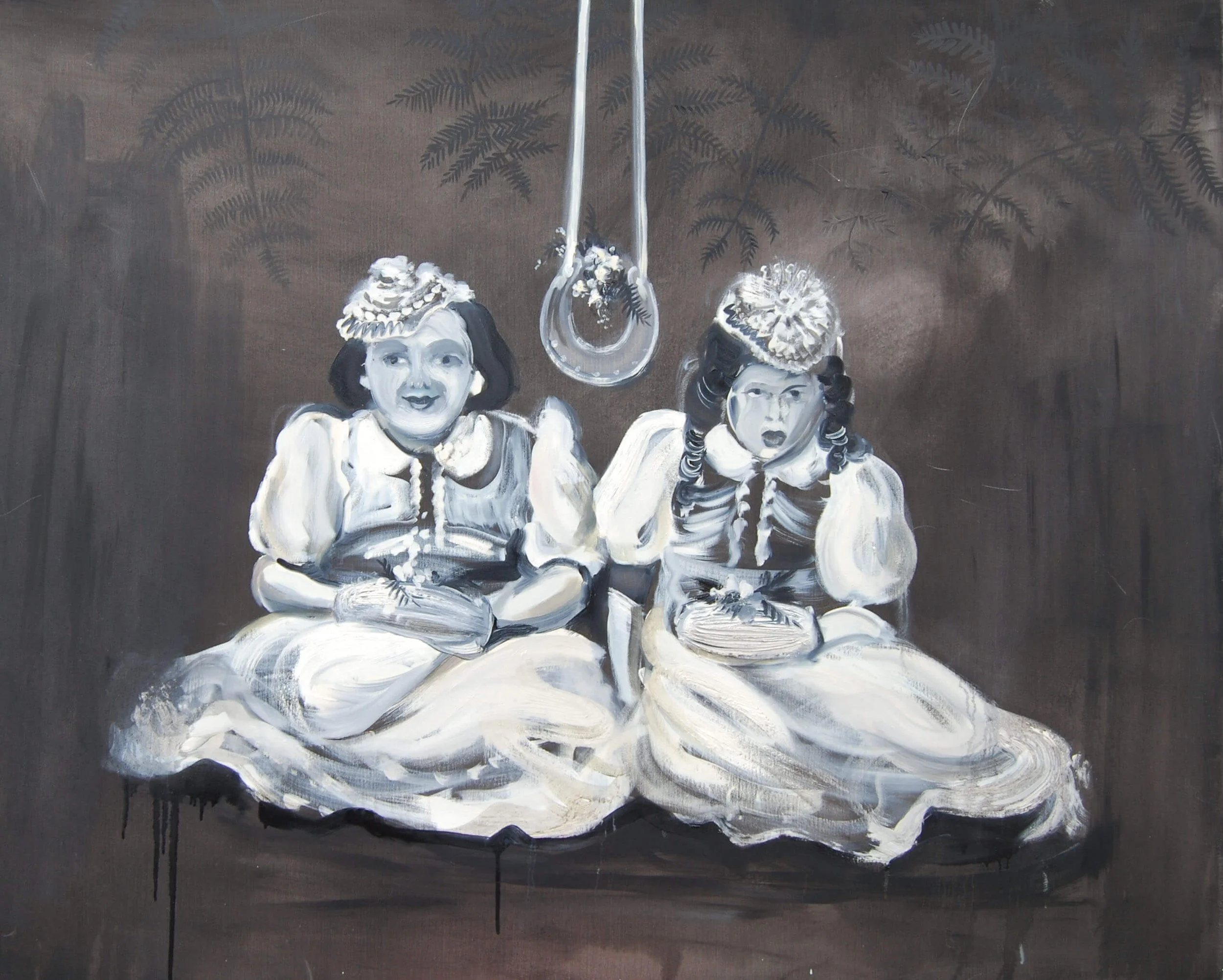
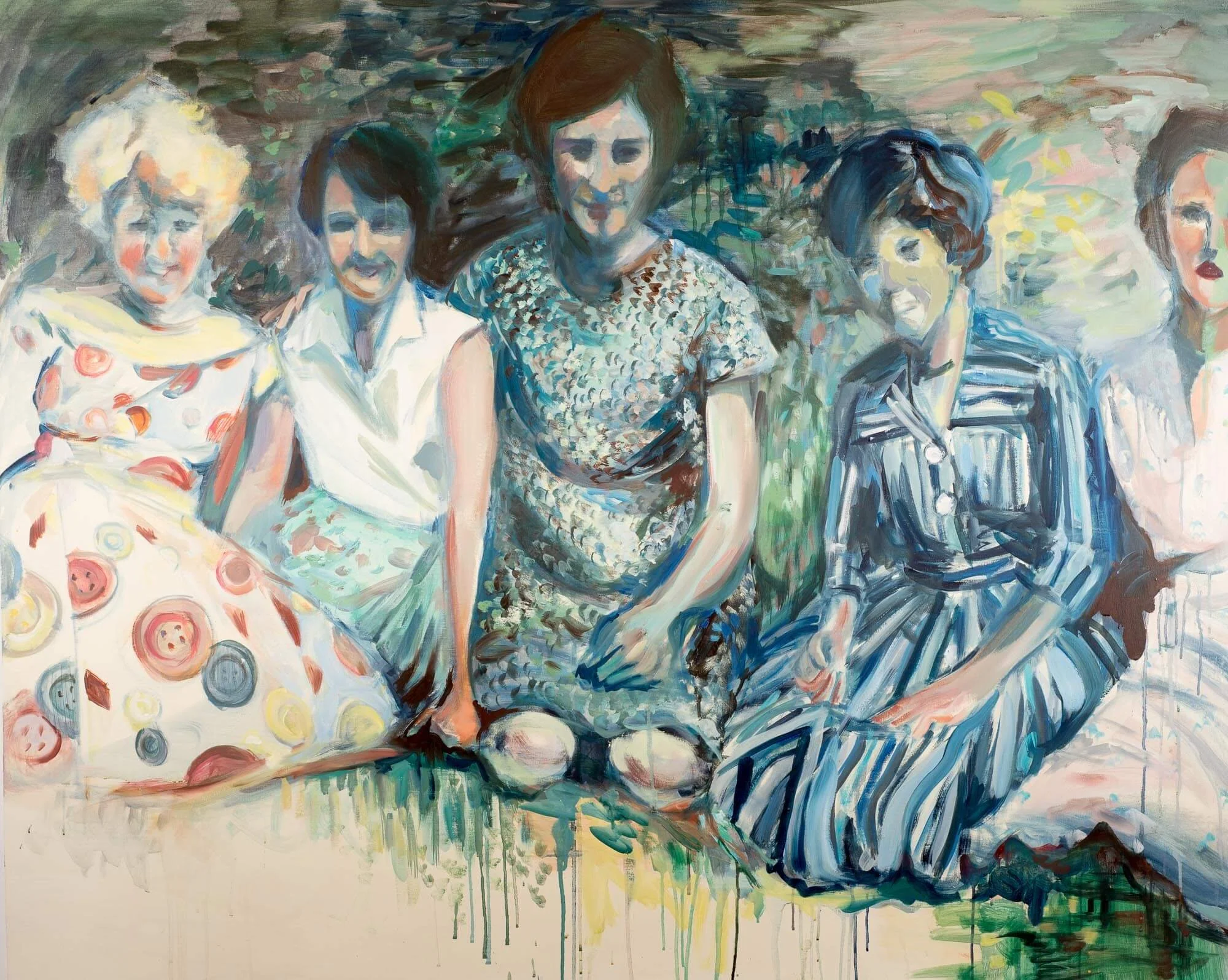
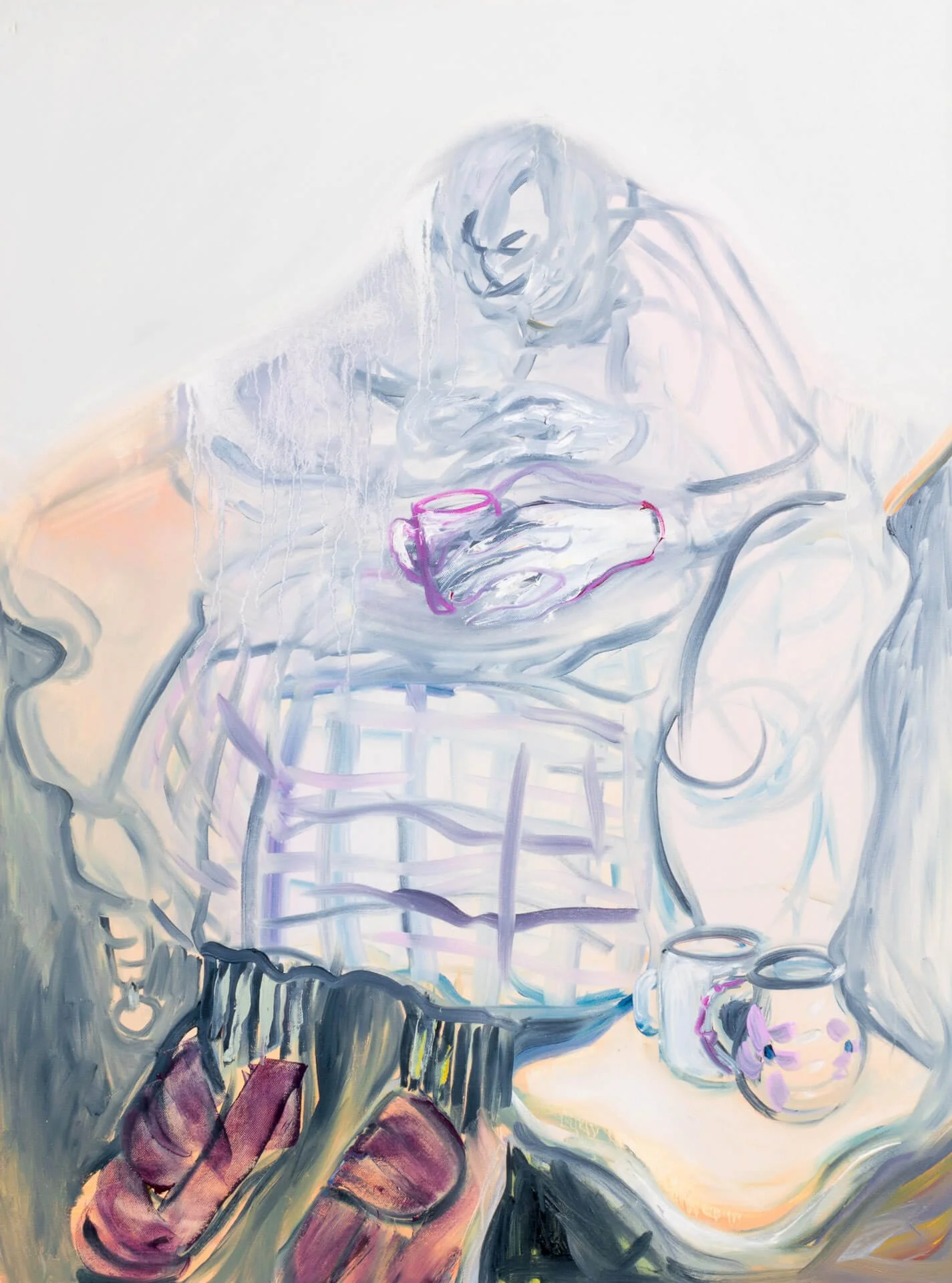
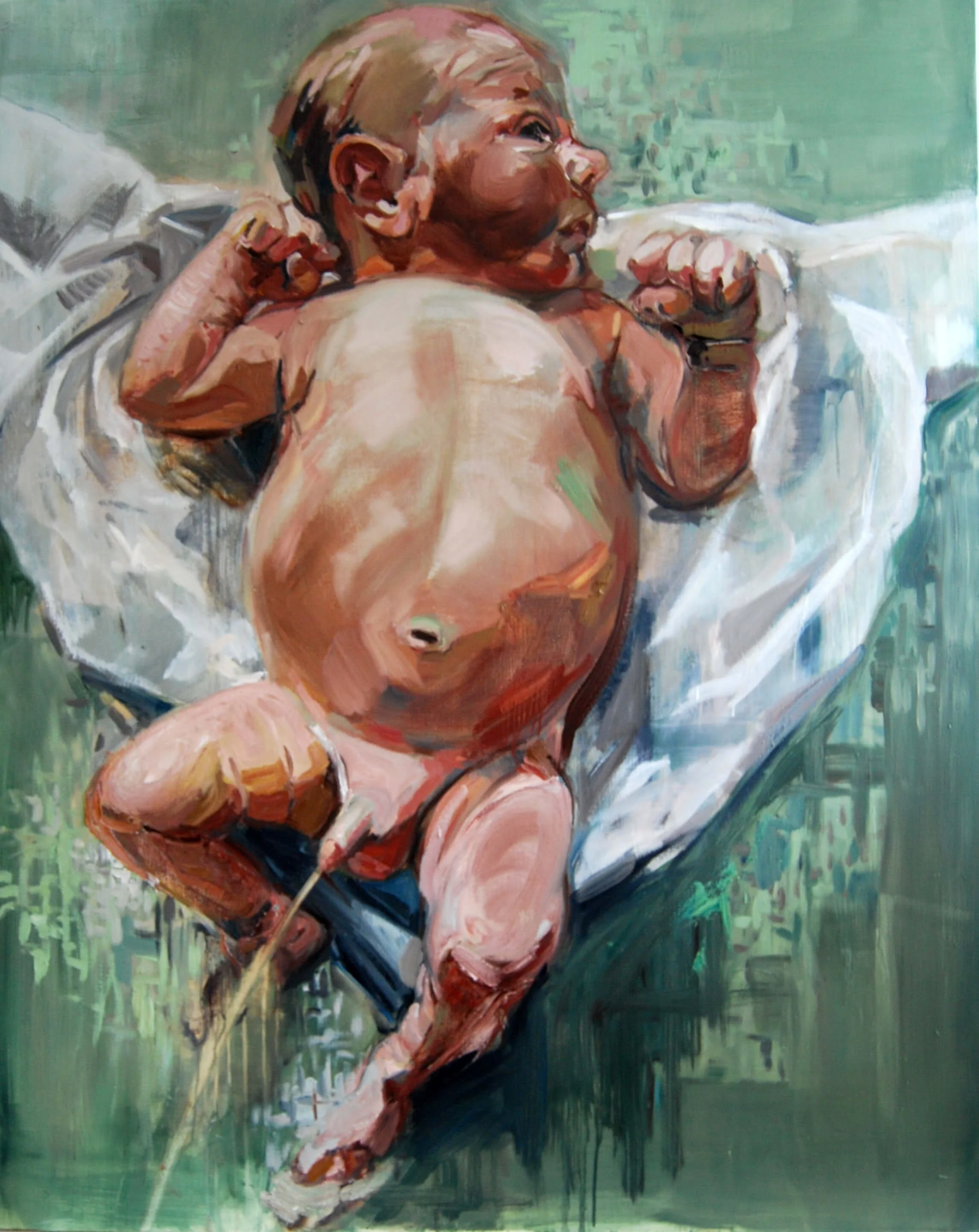
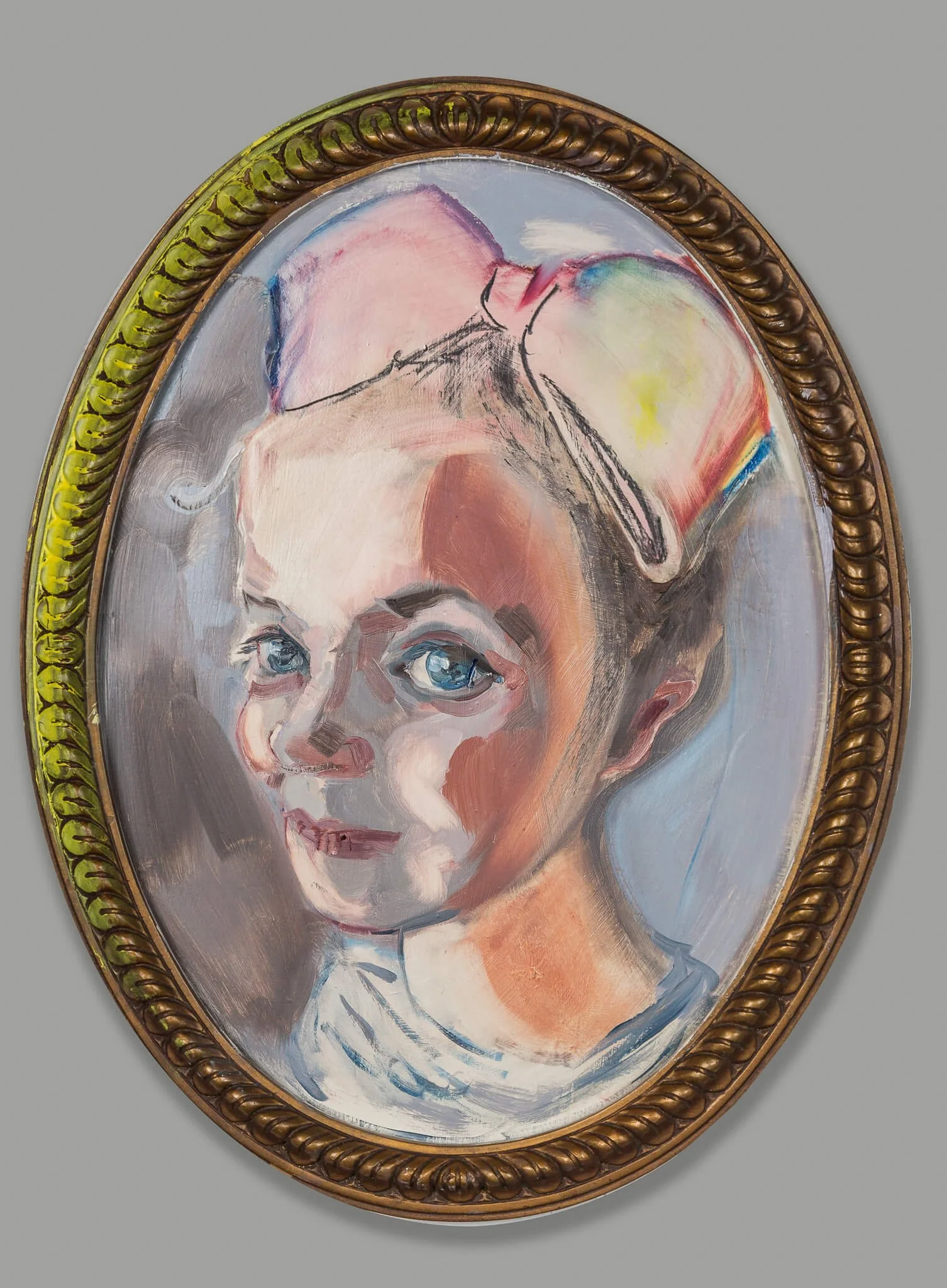
Jayne Cooper’s portrait painting has been shaped throughout her career by a sustained engagement with the people closest to her, gradually expanding from familial subjects to wider communities while maintaining a distinctive and resonant visual language.
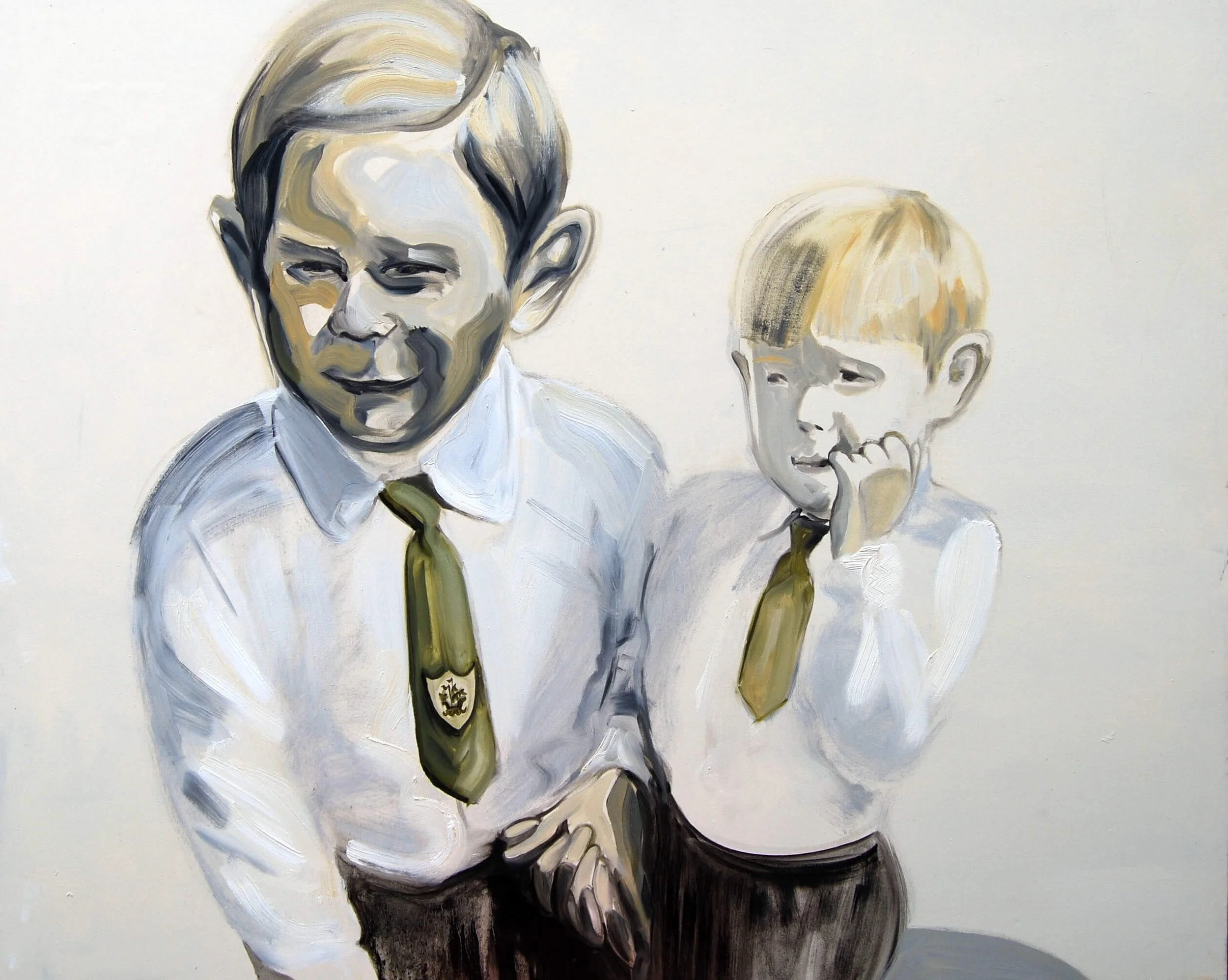
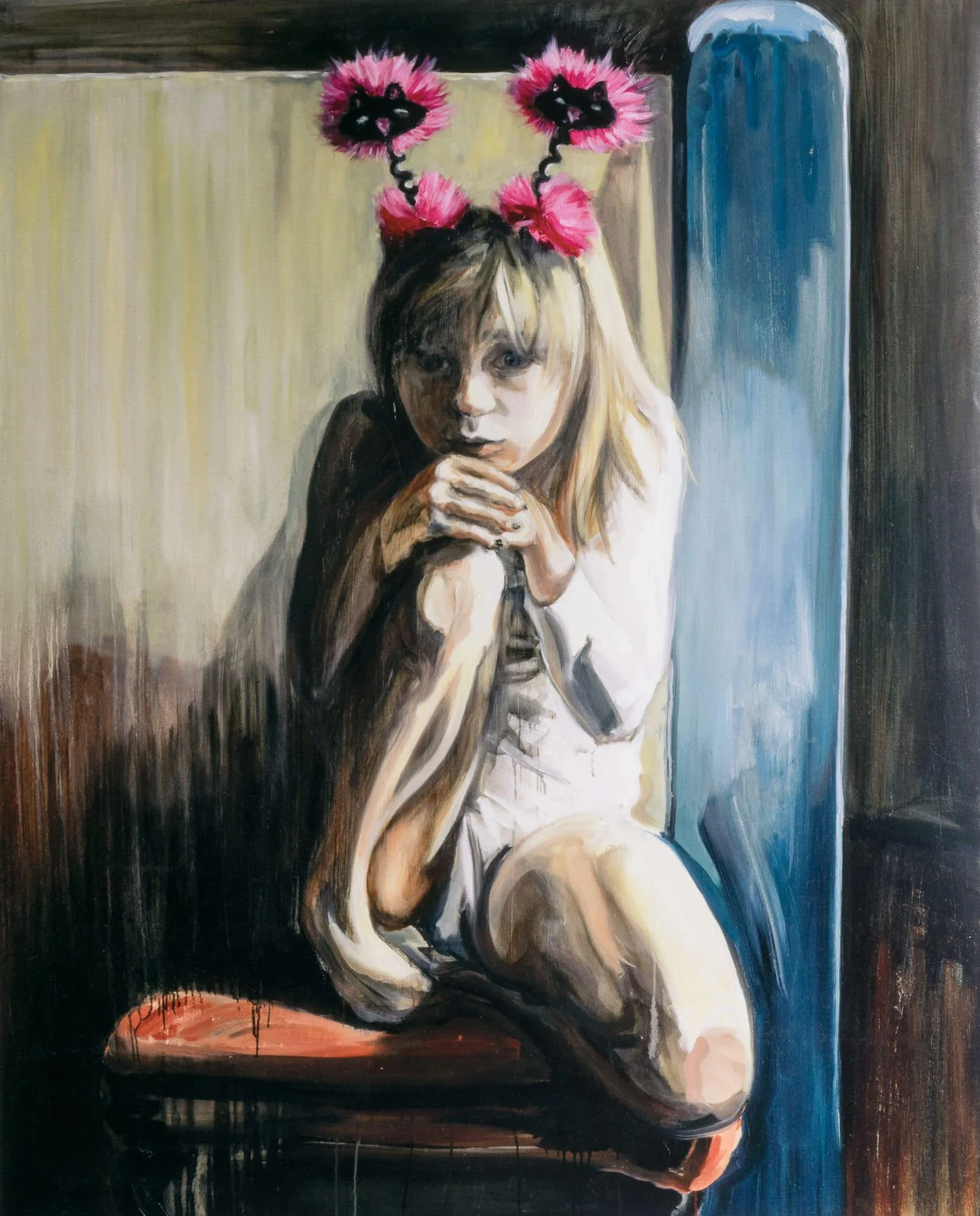
Her early work focused on family members, providing a foundation for exploring the emotional and psychological dynamics of portraiture.
A notable example is her portrait of her daughter, Madeleine which received significant acclaim when it was exhibited in the BP Portrait Award in 2009.
This early recognition positioned Cooper as an artist with both technical command and a rare ability to reveal the interior lives of her sitters.
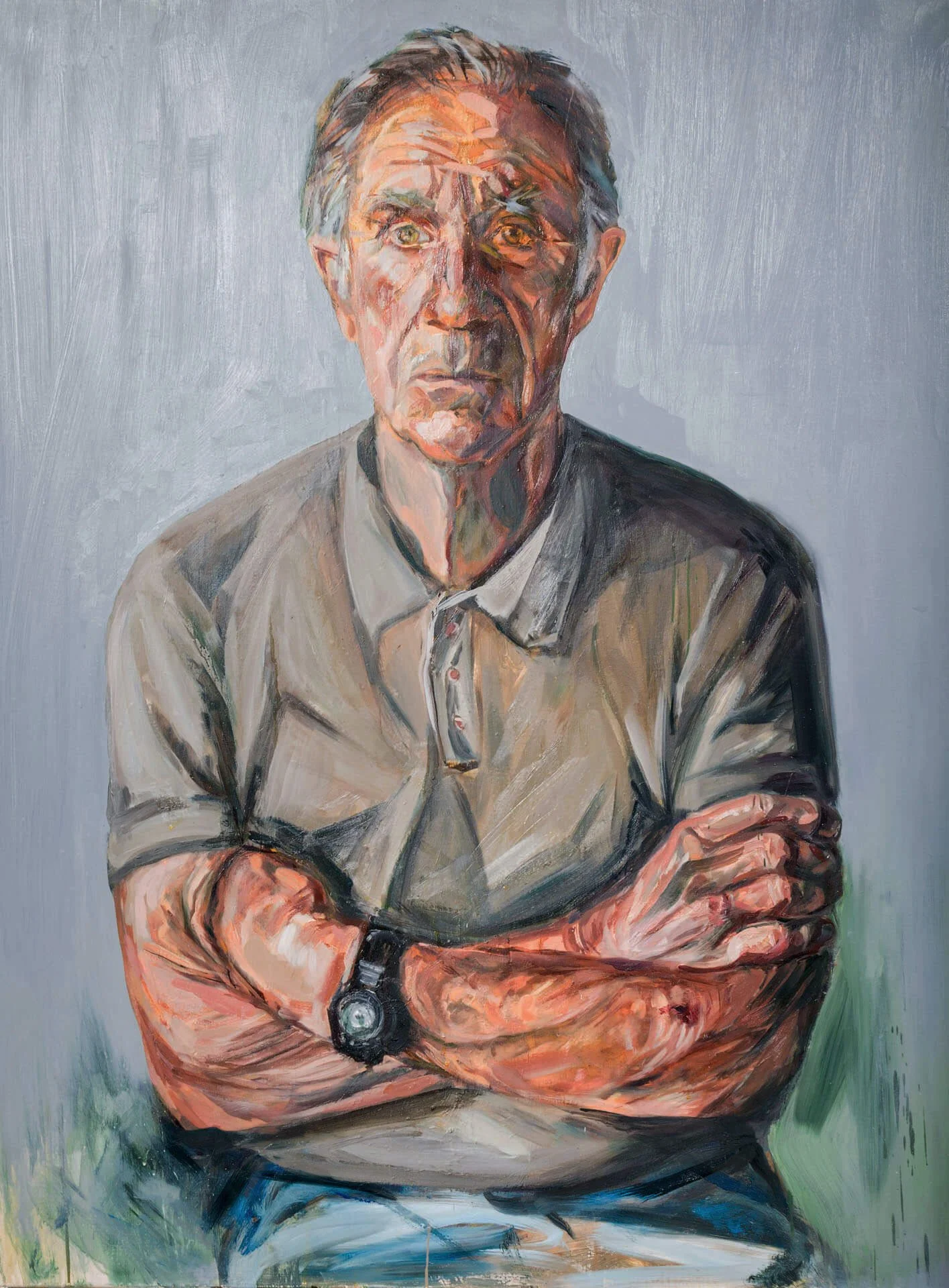
Family has remained a consistent thread in her practice.
Cooper’s portraits of relatives are neither sentimental nor purely descriptive; instead, they reflect an ongoing inquiry into character, gesture, and presence.
Through her use of charged colour, carefully modulated light, and sensitive brushwork, she constructs images that resonate beyond the immediate likeness.
Her sitters appear suspended in a painterly atmosphere that enhances the emotional weight of the moment, creating portraits that feel simultaneously intimate and monumental.
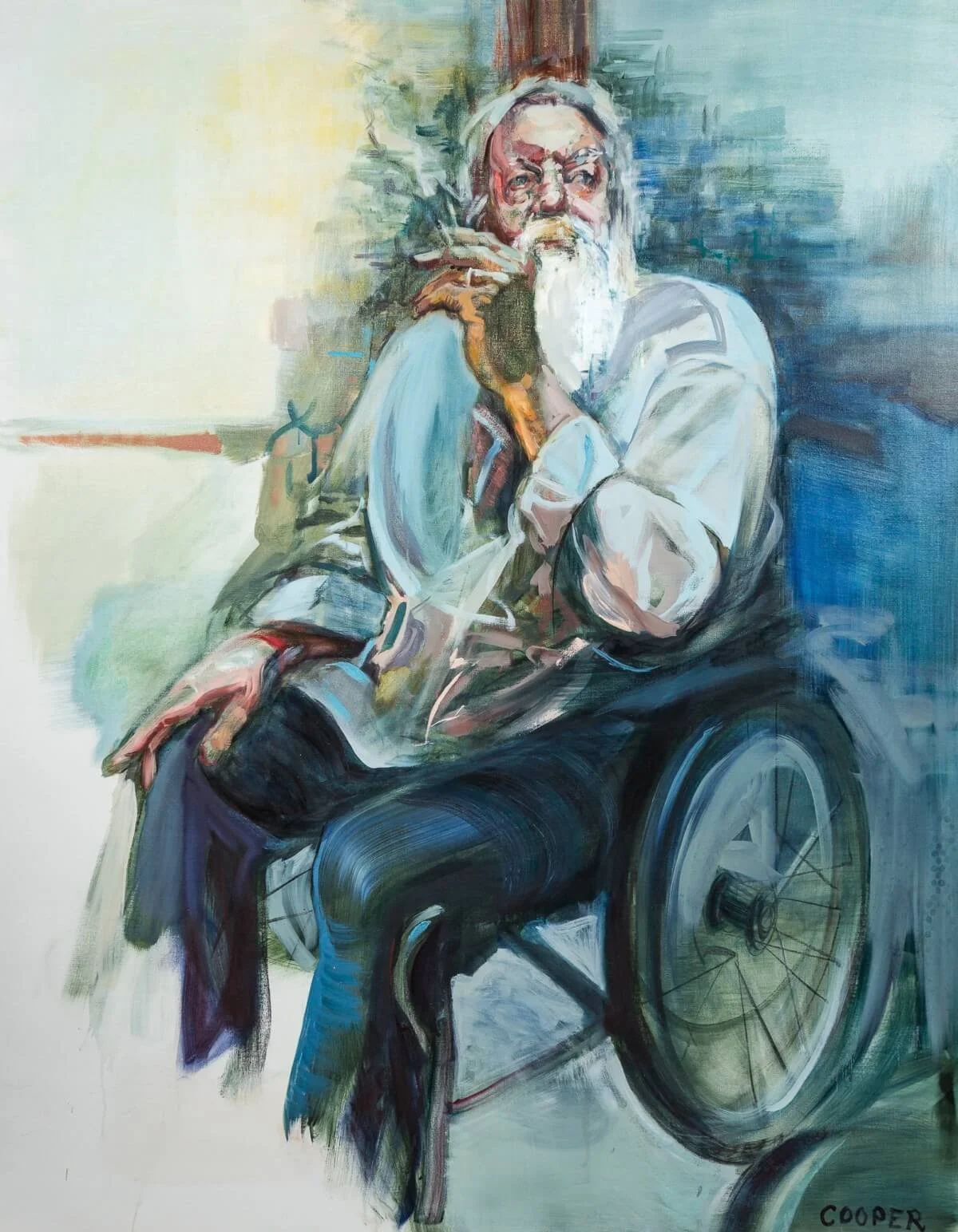
Alongside family, Cooper has painted many of her friends, with musicians playing a particularly significant role in her oeuvre.
Most notable is her extensive series on Robert Wyatt, a figure whose musical legacy and layered personal history offered fertile ground for Cooper’s perceptive approach.
These portraits capture Wyatt’s intellectual energy, vulnerability, and quiet charisma, often presenting him in contemplative poses that emphasise the reflective qualities of his personality.
Through this series, Cooper demonstrates her ability to translate not only visual appearance but also cultural and creative aura—a quality that has become a hallmark of her portraiture.

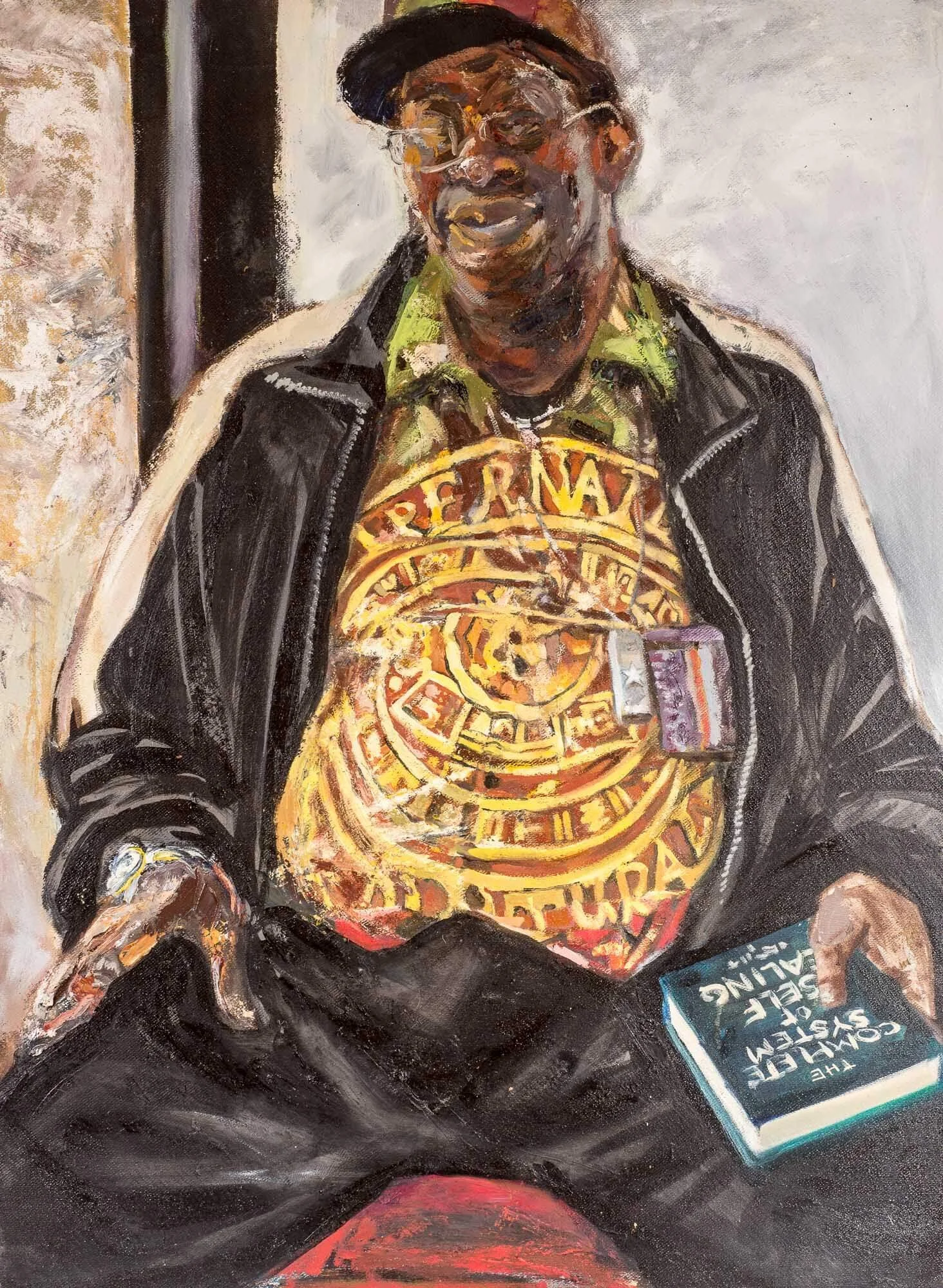
More recently, her practice has expanded to the village of Montefegatesi in Tuscany, where she regularly visits.
Her portraits of the villagers form a collective representation of rural life and community, while retaining the emotional attentiveness of her earlier work.
These paintings honour the individuality of farmers, craftspeople, and neighbours, offering a portrait of place as much as of people.
Across all her work, Cooper’s portraits transcend likeness. Through compositional restraint, atmospheric backgrounds, and acute sensitivity to psychological nuance, she amplifies her sitters’ presence, producing portraits that invite deeper encounters with human complexity and dignity.
Words written by Graeme Oxby.